
Shoveling Alone

Shoveling Alone

Shoveling alone. It is the story in almost all our communities in the United States. The poorest of the poor are shuffled to the edges of our economy and end up living on the streets — or in jail!

As I turned the shovel in Bloomington on a recent Wednesday, at the groundbreaking for our new Beacon center, I realized I was alone in that moment… no one on either side… but so many had gone ahead, and others would follow. Is it true in your community as well?
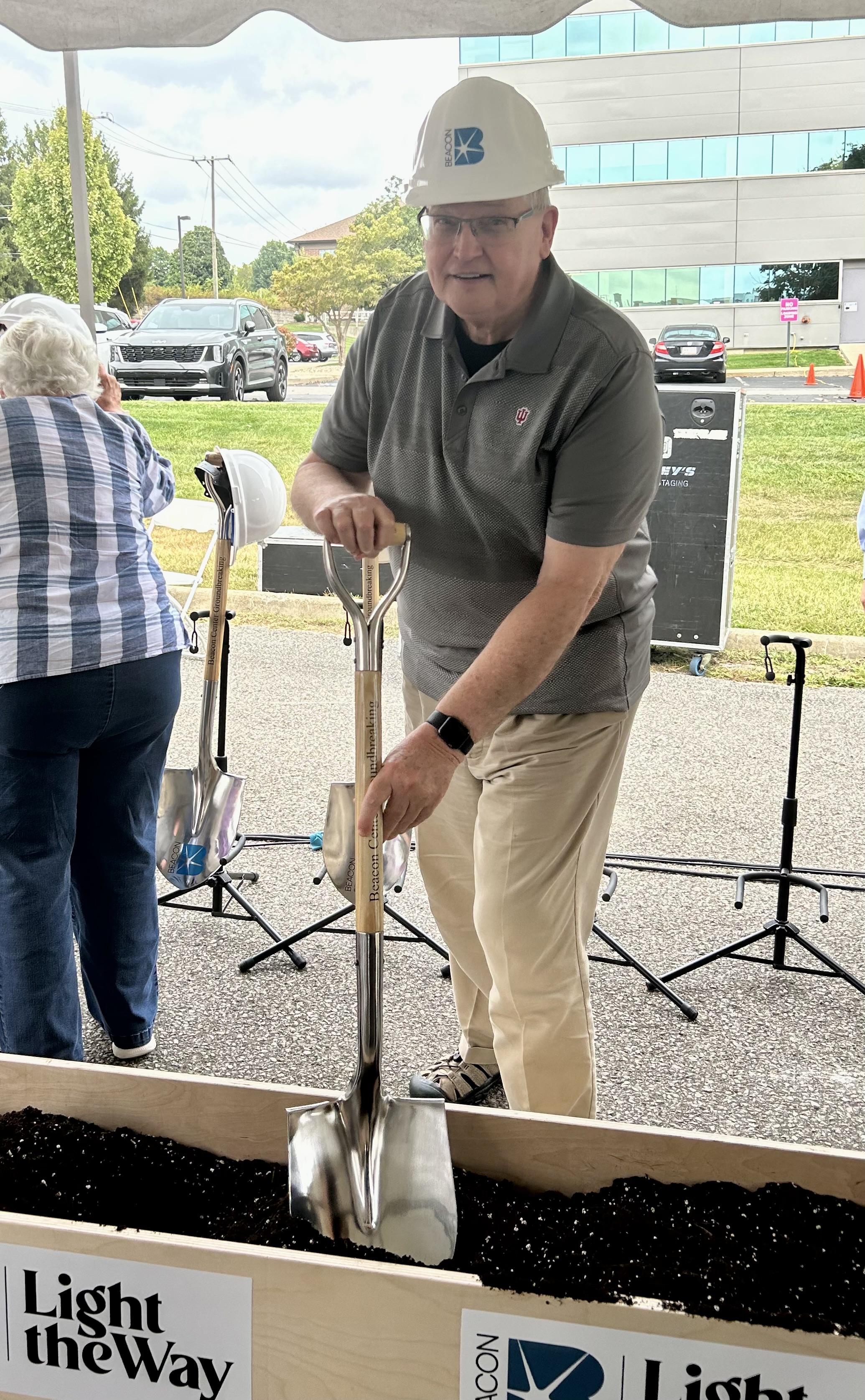
Not just on a given afternoon but across the years, I knew others in the faith community and beyond, who didn’t attend this groundbreaking… but who had ‘turned the soil’ of change in many places. They have been at this turning the soil, and turning our souls, in the past and will be in the future. In the process our souls are returned to an original place of hope and sharing among all.

I believe our local faith community, and others whereever you live, will do more in the months ahead, not just for places like Beacon. We must do this because our challenges cannot be fully handled by any one social service agency. Beacon, and similar agencies are a good, but insufficient response.

Bloomington Mayor Thomson is right, a comprehensive response to the challenge of persons without shelter is needed. Rise up now, faith communities and others, show more muscle, join in to assist the Emergency Winter Shelters, programs like Heading Home, the Recovery Alliance, New Leaf/New Life. Offer more mutual respect and support for all! The massive cuts to Medicaid will touch us all and especially the poor. Emergency rooms will be more crowded, retirement homes and clinics will close, healthcare will be rationed and delayed. Time for more to pick up the shovel and turn the soil toward the planting of new seeds of hope.

“When did we see you…?” the scriptures ask. “When you did it to the least among you” comes the answer. I live with the firm knowledge this shelter, even with a “better” setting where healthcare, employment assistance, public safety, addiction recovery and other resources, are provided is but a small beginning. It is not THE answer. Still, it is a needed step. Many can and will raise needed funds, offer to volunteer, and challenge public policy to do better… in God’s name.

The road is long and filled with twists and turns, social detours, myths about addiction, mental health and blindness to our own complicity in the “social welfare” practices in this country, and the misdirected, cruel political impulses and assault of so many in power in this time. Our culture lives with the myth of hero and victim. It is the “Hero Journey” story that Jung and Campbell identified as embedded in all we perceive as possible. It is so fully ingrained in our psyche and social systems that, sadly, we turn others into “clients” rather than “neighbors” and are more comfortable in speaking of THEY rather than with US.

It will take time — this turning the soil. Still as a Christian I recall the hymn refrain “We are not alone, for God is with us.” ‘Naive’ you say, of course it appears that way, of course. Others are using their constructions of false gods to continue cruelty. I know. That is why those who have theologies more tied to the larger, historic faith story must now speak the truth, afresh. Until some have seen a life changed, a person healed from addiction and communities moving away from cruel patterns of greed and domination, we are stuck. And, until a community is seen pulling together to solve such challenges, many will call me naive. I prefer to call it our shared hopes, foundational for the future — that we can care for one another. Check it out. This is a core teaching of Christianity and other great faith traditions. Interdependence is more essential to humanity’s long-term survival than independence.

Paul Farmer, remarkable physician and founder of Partners in Health (PIH) understood his life’s work as “The Long Defeat.” He said, “I have fought the long defeat and brought other people on to fight the long defeat, and I’m not going to stop because we keep losing. Now I actually think sometimes we may win. I don’t dislike victory. … You know, people from our background-like you, like most PIH-ers, like me-we’re used to being on a victory team, and actually what we’re really trying to do in PIH is to make common cause with the losers. Those are two very different things. We want to be on the winning team, but at the risk of turning our backs on the losers, no, it’s not worth it. So you fight the long defeat.” [From Tracy Kidder, “Mountains Beyond Mountains: The Quest of Dr. Paul Farmer, a Man Who Would Cure the World.”]

So, pick up a shovel, write a check, welcome the stranger, say ‘hello’, ask the stranger her/his name, smile… and keep doing it in your community, whereever you are. Keep at it, even when times are tough. My friend Wes Jackson put it this way, “If you think your life’s work can be accomplished in your lifetime, you are not thinking big enough!”
Corn-Bred

Corn-Bred

I’m a Hoosier, Indiana born and bred, on most July Sundays I can be found at church. On the best Sundays, the benediction ended, I then head for sweet corn at home from the farmer’s market.  Bought the day before from a young Amish teen in the City Hall parking lot.  Straw hat, gray shirt, grayer suspenders, blond curls and a sneaky, shiny smile. From down near Paoli most likely, I surmise – the corn and the smile.  “Picked this morning” he offers. “In the moonlight?” I tease, in return. We trade a chortle. The grin and banter worth the entire purchase price alone; but I win, as I carry off a half-dozen ears.  “He smiles with his eyes, he does.” I heard it growing up, like him I bet.

Early July, Indiana sweet corn is extra-scrumptious; I prescribe as it a necessary antidote to the extra-boneheaded politicians who now scour the state dressed in a toxic religious wardrobe. Deceptions attached to their bigotry like the sown-on-shadow of Peter Pan. This summer sweet corn is better. Much needed offset to the racism, so appreciated in the summer heat of ’25.  

Worship was delicious too this Sabbath. A needed cure offered, beginning with soaring music.  A fanfare for a refurbished organ followed by hymn texts full of ancient, hard-won truths. The anthem is fetched from the apothecary of faith. “It is well with my soul” lingers still. Take that, you many poisons of the soul, you dividers of a nation.

The stage is set by the liturgy – we are called to hope and not despair; and, then a sermon, chasing down our shared deeper story.  Listen again to Naaman’s healing. His trust in his own power, his military hardware, is insufficient to bring peace.  No, no, no, empathy is not “a bug in the system,” Mr. Musk.  Empathy marks true humanity.  A “healed femur is the sign of the beginning of civilization” Margaret Mead once noted.  The wonderful irony of the powerful finding healing and justice by finally heeding the counsel of a young girl.  She brings a four-star general to his knees and his senses… and more than an outer leprosy is healed.  She did it well, both the young girl and the preacher this Sunday.  We are reminded that interdependence is more to be valued than independence.

It’s corn-bred wisdom that hubris and arrogance will end in dust. True in Elisha’s time and a lesson to be relearned now. God’s preference is for the small and marginal ones. The narrative is told over and again.  Let those with ears-to-hear, listen.  Too bad uncle Donald was on the golf course and missed learning how his story will end.  The closing hymn offers again this poetry of hope. Then I head home to sweet corn and a nap.

O God of every nation, Of every race and land,

Redeem the whole creation With your almighty hand. 

Where hate and fear divide us  And bitter threats are hurled,

In love and mercy guide us  And heal our strife torn world.

Rain begins as we walk home… “good for the sweet corn,” I think...

Corn-Bred

Corn-Bred

I’m a Hoosier, Indiana born and bred, on most July Sundays I can be found at church. On the best Sundays, the benediction ended, I then find sweet corn from the farmer’s market.  Bought the day before from a young Amish teen in the City Hall parking lot.  Straw hat, gray shirt, grayer suspenders, blond curls and a sneaky, shiny smile. From down near Paoli most likely, I surmise – the corn and the smile.  “Picked this morning” he offers. “In the moonlight?” I tease, in return. We trade a chortle. The grin and banter worth the entire purchase price alone; but I win, as I carry off a half-dozen ears.  “He smiles with his eyes, he does.” I heard growing up, like him I bet.

Early July, Indiana sweet corn is extra-scrumptious; I prescribe as it a necessary antidote to the extra-boneheaded politicians who now scour the state dressed in a toxic religious wardrobe, attached to their bigotry like the sown-on-shadow of Peter Pan. This summer sweet corn is better. Much needed offset the racism, appreciated in the heat of ’25.  

Worship was delicious too this Sabbath. A needed cure offered, beginning with soaring music.  A fanfare from refurbished organ followed by hymn texts full of ancient, hard-won truths. The anthem is fetched from the apothecary of faith. “It is well with my soul” lingers still. Take that, you many poisons of the soul, you dividers of a nation.

The stage is set by the liturgy – we are called to hope and not despair; and, then a sermon, chasing down our shared deeper story.  Listen again to Naaman’s healing. His trust in his own power, his military hardware, is insufficient to bring peace.  No, no, no, empathy is not “a bug in the system,” Mr. Musk.  Empathy marks true humanity.  A “healed femur is the sign of the beginning of civilization” Margaret Mead noted.  The wonderful irony of the powerful finding healing and justice by finally heeding the counsel of a young girl.  She brings a four-star general to his senses… and more than an outer leprosy is healed.  She did it well, both the young girl and the preacher.  We are reminded that interdependence is more to be valued than independence.

It’s corn-bred wisdom that hubris and arrogance will end in dust.  True in Elisha’s time and a lesson to be relearned now. God’s preference for the small and marginal ones. The narrative is told over and again.  Let those with ears-to-hear, listen.  Too bad uncle Donald was on the golf course and missed learning how his story will end.  The closing hymn offers again this poetry of hope. Then I head home to sweet corn and a nap.

O God of every nation, Of every race and land,

Redeem the whole creation With your almighty hand. 

Where hate and fear divide us  And bitter treats are hurled,

In love and mercy guide us  And heal our strife torn world.

Rain begins as we walk home… “good for the sweet corn,” I think...

Gospel Conspiracy Cycle

Gospel Conspiracy Cycle

Over the centuries, the followers of Jesus have lived within, and endured, many political regimes. Tyranny is often around the next turn of the calendar. From Herod or Ceasar, through Nero, up to King George or Hitler, the church has survived – sometimes it emerges misshapen or damaged. It has often failed to give clear witness to the priorities of the Gospel.  

Confronted with the current political realities in the United States, how might congregations and disciples offer a faithful response when racism rises, the poor suffer the loss of critical systems of food and healthcare, when the rich act as kleptocrats, autocracy threatens the very underpinnings of democracy? 

For followers of Jesus over the centuries, it is fair to say, this is not new.  We have seen this movie before… in fact, it is a story often rehearsed and replayed in nations.  Current challenges are not Christianity’s first brush with autocracy.  How then shall we respond?  Some of the suggestions below will surprise, as they are simple and personal, others are corporate.  They are based not only on personal experience; they also draw on observing what John Lewis called “good trouble.”  They are found in reading of the Christian Gospels, especially in what we call the Good Samaritan parable. I now prefer to call it the Good Conspirator parable. Below is what I offer as the “Gospel Conspiracy Cycle.”  Each element is best carried out as both a personal and communal activity.

Gospel Conspiracy Cycle: Pray/Meditate, Observe/Listen, Study/Learn, Repent/Reconcile, Join/Support/Praise, Sing/Dance/Laugh, Raise Your Voice, Direct Action/Resist  

Richard Lischer, retired professor at Duke Divinity School reminds us the wider lens of church history: “Older heads have thought through the issues we face today—and with us in mind. We have been to this precipice before, and we have discovered that it’s possible to practice our faith on the very edge of it. Which is where we are today. Christians have been anointed not to rule the world but to sanctify it. Not to dominate but to consecrate. Not to harvest but to sow. And to bless this poor, broken body with some soul.” (February 14, 2025, The Christian Century, “How Then Shall We Render.”)

At the heart of Christian Gospel is the Good Samaritan parable (Luke 10:25-35). It is widely known and often misunderstood. I prefer to call it the “Good Conspirator” story. Some believe Jesus is saying “we should help those in need.” That’s a part of it, but it is also about much more.  There is this, a Samaritan, considered an untrustworthy outsider, is the one who acts as the true neighbor.

Jewish scholar Amy-Jill Levine writes this story demonstrates a commandment to love all, no matter whether stranger or friend. This story was familiar to Jewish listeners. They have heard the plot before – a Priest, a Levite and an everyday Israelite travel past a situation. But wait, Jesus offers a new twist. The third person is not the everyday Israelite. Rather it is a foreigner, a Samaritan. Jesus thereby reframes the lawyer’s question of “who is my neighbor?” The unexpected, stranger, the Samaritan’s actions cut against the grain of expected and typical. The Samaritan is a conspirator for the good

The word “conspire” from the Latin is “conspiratio” which means to “breathe together with spirit.” From the beginning Christianity has valued an alternative perspective on what is normal. Jesus spoke of the paradoxes of the poor being the truly rich and the weakest ones also are the strongest.  Christianity offers an alternative to the “normal” and “expected.”

In my own life, (and I would be bold to say in the history of Christianity), there is a cycle I could call the Gospel conspiracy. This virtuous cycle is often interrupted, diverted for a while or even undercut by Christendom.  It is true in my own life as well. The cycle is this: 1) Pray and meditate; 2) Observe and Listen; 3) Study and Learn; 4) Repent and Reconcile; 5) Join, Support and Praise; 6) Sing, Dance and Laugh; 7) Raise Your Voice; and 8) take Direct Action and Resist – and always return to Prayer. One may move around in the cycle from one space to the next. All are essential.  A return to start, back to prayer is always an option.  The idea is to keep moving. These elements are meant to help followers of Jesus develop Tough Minds, Soft Hearts and Strong Hands.    

For regular updates, subscribe to: BelongingExchange.org